



Climate Action and Energy Management
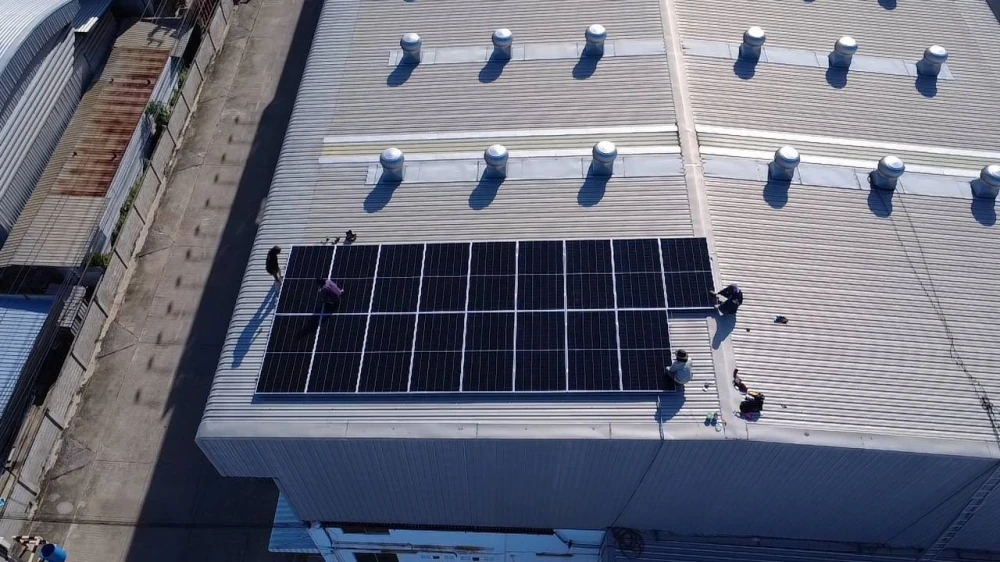
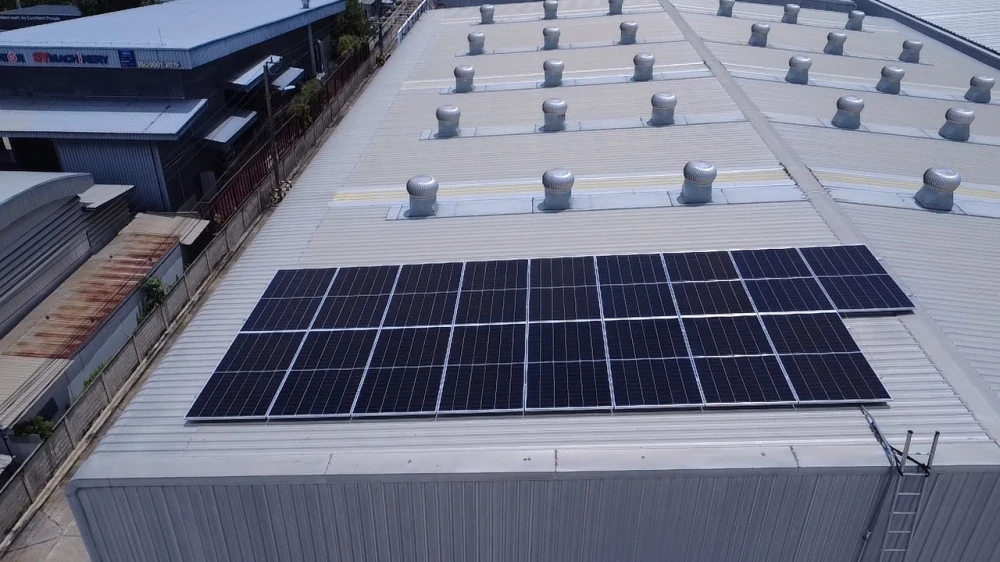
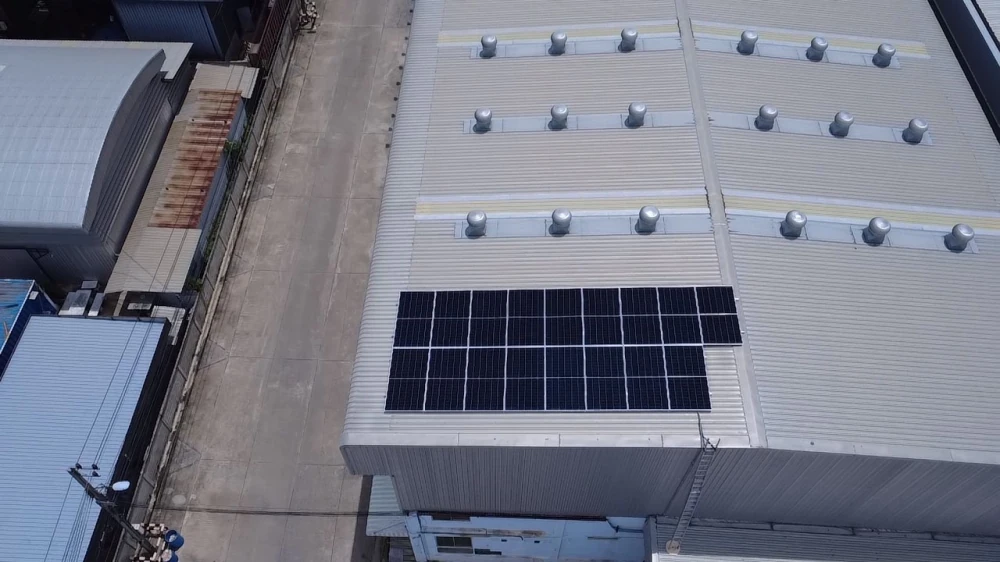
In Q2/2026, Tanachira Group continued its investment in renewable energy initiatives to enhance energy efficiency, reduce greenhouse gas emissions, and support the transition toward low-carbon business operations. In 2026, the Company installed a rooftop solar power generation system (Solar Rooftop) at the warehouse of HARNN Global Co., Ltd., a subsidiary of Tanachira Group.
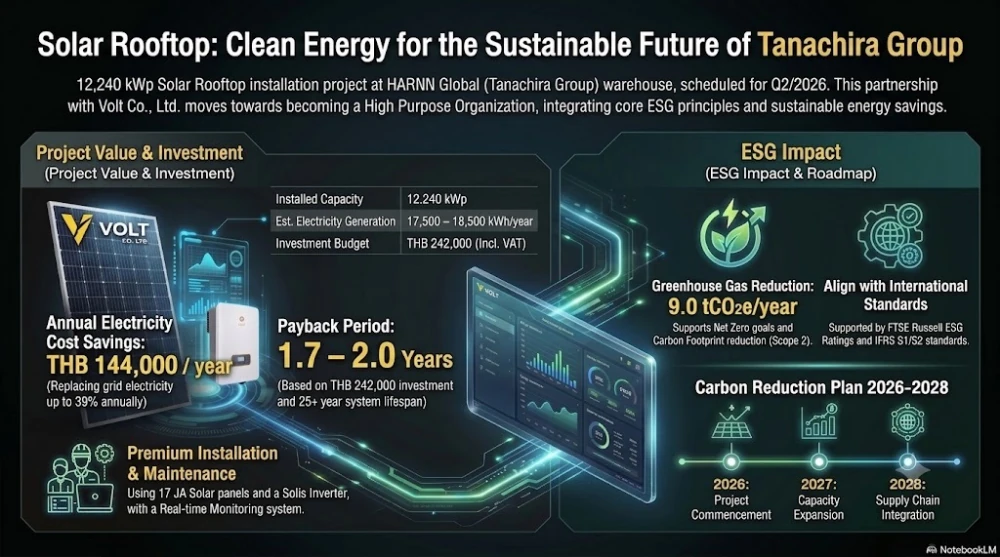
The project involves an On-Grid Solar Rooftop system with an installed capacity of 12.240 kilowatt-peak (kWp). It represents one of the key initiatives under the Group’s Climate Action and Green Operations roadmap, aligning with the Company’s commitment as a High Purpose Organization that aims to create long-term environmental and social value.
Based on the warehouse’s electricity consumption data in 2025, the facility consumed approximately 45,830 kilowatt-hours per year (kWh/year). The Solar Rooftop system is expected to generate approximately 18,000 kilowatt-hours of electricity annually, equivalent to approximately 39.27% of the building’s total electricity consumption. This will help reduce reliance on electricity from the grid and improve the organization’s overall energy efficiency.
In terms of financial impact, the Company expects to reduce electricity expenses by approximately THB 144,000 per year. This estimate is based on the amount of electricity generated by the solar system and utilized as a replacement for electricity purchased from the grid, under the assumption of an average electricity tariff of approximately THB 8 per kilowatt-hour. Actual savings may vary depending on the system’s electricity generation performance and electricity tariff fluctuations over time. This initiative will enhance operational cost efficiency and strengthen the long-term value of renewable energy investment.
From an environmental impact perspective, the Company expects the project to reduce indirect greenhouse gas emissions from electricity consumption (Scope 2) by approximately 9 tonnes of carbon dioxide equivalent per year (tCO₂e/year). This supports the Company’s greenhouse gas reduction targets and its transition toward a low-carbon business model.
The implementation of this project demonstrates the integration of Environmental, Social, and Governance (ESG) principles into the Company’s business operations in a tangible manner. It aims to balance operational efficiency, cost management, and environmental impact reduction while supporting long-term value creation for stakeholders and promoting sustainable growth of the organization.