




Labor Standards and Human Resource Development
Supporting the SDGs Goals
Commitment
- Committed to developing employees' capabilities and expertise in the fashion and lifestyle retail business to support the company's growth.
- Promote continuous learning and employee development to enable effective adaptation to changes in the business environment.
- Foster an organizational culture that encourages teamwork, creativity, and professional customer service.
- Provide appropriate employee welfare and a supportive working environment to strengthen employee engagement and motivation.

Goals and Performance Highlights
Goals
- Develop employees' skills and capabilities in alignment with their roles and the organization's objectives.
- Promote training and skill development in sales, customer service, and management.
- Enhance a fair and effective performance evaluation system.
- Create career growth opportunities and develop future leaders within the organization.
Performance in 2025

Implemented training and development programs to enhance employees' skills in sales, service, and overall work capabilities.

Improved human resource management systems to enhance the monitoring and development of employee performance.

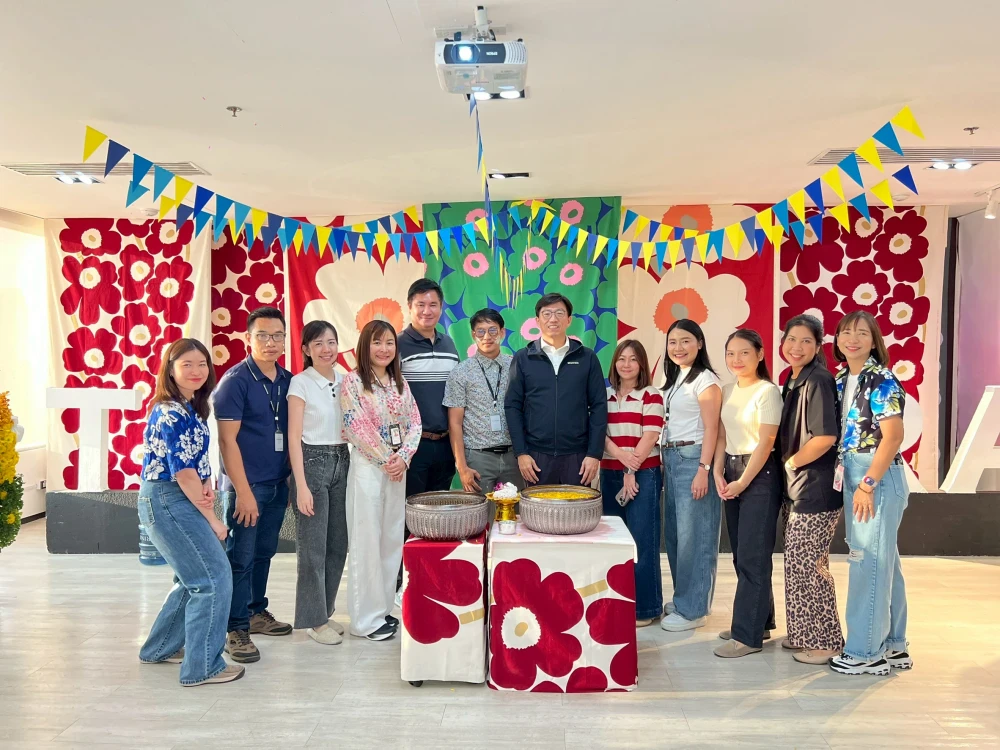
Organized activities to strengthen employee engagement and corporate culture.

Supported continuous learning and the development of new skills to prepare employees for changes in the business landscape and labor market.
Challenges and Opportunities
Challenges
- Developing employees' skills to keep pace with technological advancements and evolving work models.
- Retaining high-potential talent and maintaining long-term employee motivation and engagement.
- Maintaining a balance between work performance and employees' quality of life.
Opportunities
- Leveraging digital technologies to enhance human resource management and employee development.
- Building a learning culture within the organization to continuously develop employees' capabilities.
- Developing future leaders to support the company's long-term growth and organizational sustainability.
Management Approach and Value Creation

Human Resource Management

Employee lifecycle management, from onboarding to exit (resignation or retirement)

Human capital risk assessment (including risk assessment results and mitigation measures)
The Company conducts comprehensive human capital risk assessments across all activities in its value chain. These assessments cover labor standards, occupational health and safety, fair labor practices, the protection of employees' personal data, and other personnel-related issues within the organization.
The risk assessment results identified key labor rights issues, including employee injuries and occupational illnesses resulting from unsuitable working conditions, excessive working hours, and discrimination arising from personal relationships or individual biases that may affect workplace decisions and performance.
To address these risks, the Company has implemented concrete mitigation measures, including establishing policies and guidelines that employees are required to comply with, as well as conducting communication and training programs to raise awareness of these risks and promote appropriate preventive practices.
The risk assessment process and the corresponding mitigation measures are reviewed and overseen under the Group's Human Rights Framework. Further details on the assessment results, identified risks, and grievance and remediation mechanisms are available in the "Human Rights" section.

Recruitment and Selection of Personnel
Tanachira Retail Corporation Public Company Limited places importance on a transparent, fair, and equal recruitment and selection process, based on the principles of Diversity, Equity and Inclusion (DE&I). The Company aims to recruit individuals with the knowledge, capabilities, skills, and potential appropriate for each position, as well as values and attitudes aligned with the organizational culture, enabling them to grow and create long-term value for the organization.
Recruitment Principles
The Company is committed to recruitment practices that create equal access to employment opportunities for all candidates. Personnel are selected fairly and transparently based primarily on qualifications, knowledge, capabilities, relevant experience, and potential related to the requirements of the position. The Company does not discriminate on the basis of gender, age, race, nationality, religion, disability, marital status, political opinion, or any other personal factors that are unrelated to job performance, and operates within the applicable legal framework. This approach enables the Company to recruit personnel who possess the required capabilities and whose values are aligned with those of the organization.
The Company conducts recruitment through a variety of channels to increase access to qualified and high-potential candidates, including:
- The Company's website
- The Human Resources candidate database
- Social media platforms
- Leading online job portals
- Other recruitment channels appropriate to the nature and requirements of each position
The use of diverse recruitment channels enables the Company to reach candidates with a broad range of capabilities and experiences, thereby supporting greater diversity and enhancing organizational effectiveness.
Employee Recruitment Process
-
Workforce Planning and Manpower Requisition
- Budget Planning: Business units submit requests for additional headcount, together with the rationale and business necessity, to management and Human Resources for consideration and inclusion in the annual budget.
- Alignment with Succession Planning: Recruitment of new employees is considered in conjunction with the Company's Succession Planning to support organizational continuity and sustainability.
- Defining Qualifications: Business units requesting additional manpower are required to specify the knowledge, capabilities, skills, and potential required for the position, which serve as standardized criteria for the selection process.
-
Internal Employee Consideration
The Company places importance on employee development and promotes internal career growth before considering recruitment from external sources. The Company's approach includes:
- Internal Promotion: Providing opportunities for high-potential employees to advance their careers in accordance with established career paths.
- Development Process: Developing Individual Development Plans (IDPs) to prepare employees for potential transfers or promotions.
-
External Recruitment and Selection
Recruitment and Selection Principles
The Company adheres to the following principles throughout the recruitment and selection process:
- Compliance with applicable labor laws
- Non-discrimination
- Respect for human rights
- Respect for personal data and compliance with the Personal Data Protection Act (PDPA)
- Equal Opportunity
Selection Process
The Company conducts the selection process systematically, transparently, and fairly, with primary consideration given to candidates' capabilities and suitability for the position. The selection process may include:
- Screening candidates' qualifications and relevant experience based on their applications
- Interviews conducted by Human Resources and the relevant business unit's management, using consistent interview standards for candidates applying for the same position to ensure fairness
- Assessment of the knowledge, skills, capabilities, and competencies required for and relevant to the position, duties, and responsibilities through the Company's assessment tools and/or position-specific tests
- Verification of candidates' information and background to assess their suitability for the position, including other checks that are appropriate and conducted in accordance with applicable legal requirements
All candidates are assessed based on the same criteria according to the requirements of the position. This ensures that employment decisions are transparent, fair, and based on merit (Merit-based Recruitment).
Protection of Candidates' Personal Data
The Company places importance on protecting the personal data of job candidates. Personal data collected from candidates is collected, used, disclosed, and retained for recruitment and selection purposes in accordance with applicable personal data protection laws and the Company's data security measures.
-
Employment Offer and Contract
- Communication of Employment Details: Clearly communicate the job position, compensation, benefits, and terms and conditions of employment.
- Documentation: Prepare employment contracts and all relevant documentation accurately and completely.
-
Pre-Employment Preparation
- System and Equipment Preparation: Prepare the necessary work equipment, IT systems, and other resources before the employee's commencement date.
- Buddy or Mentor System: Assign a Buddy or Mentor, where appropriate to the position, to support new employees in becoming familiar with the workplace and organizational culture.
Types of Employment
The Company provides employment arrangements that are appropriate to the nature of the work and business requirements. Employment is classified into three types as follows:
- Permanent Employee
An employee who has completed the recruitment process, undergone the probationary period, and successfully passed the performance evaluation before being appointed as a permanent employee of the Company.
- Temporary Employee
An employee hired to perform work based on specific business needs for a defined period, with the form and conditions of employment in accordance with applicable labor laws and the Company's requirements.
- Contract Employee
An employee hired to perform work for a specified period or to carry out a specific project or assignment with a clearly defined end date. A written employment contract is prepared from the commencement of employment.
The Company's Commitment
The Company believes that its people are a key factor in driving organizational success. Therefore, the Company is committed to continuously developing its recruitment and selection processes to ensure that they are standardized, transparent, verifiable, and aligned with the principles of good corporate governance. The Company also promotes diversity, equity, and employee participation, creating an inclusive working environment where everyone has fair opportunities to contribute and grow together with the organization sustainably.

Employee Life Cycle Management
The Company is committed to treating all employees equally, fairly, and transparently, while prioritizing their quality of life throughout every stage of the employee life cycle—from recruitment and development to health and safety, career growth, retirement, or the end of employment. The Company strives to create and deliver a meaningful lifestyle and experience for all employees in line with its sustainability commitment to “creating and delivering meaningful lifestyle,” while fostering strong and lasting engagement between the Company and its employees.
-
Recruitment and Early Employment (Attraction to Probation)
- Attraction & Recruitment: The Company adheres to the principles of equal opportunity and non-discrimination in its recruitment and selection processes. Candidates are considered primarily based on their knowledge, capabilities, qualifications, and potential in relation to the requirements of the position. The Company also provides employment offers that clearly specify compensation and benefits.
- Onboarding: The onboarding process focuses on communicating the Company’s vision, mission, and values, as well as its business ethics and anti-bribery and anti-corruption practices, to promote good corporate governance. New employees are also provided with the necessary equipment, systems, and resources to support their readiness for work. After receiving training and communication on relevant policies and practices, employees are required to acknowledge their understanding and acceptance by signing the relevant documents.
- Probation: The Company establishes clear performance objectives and continuously monitors employees’ performance throughout the probationary period. Employment decisions are made fairly based on the predefined performance standards and evaluation criteria.
-
Development and Career Growth
- Development Strategy: The Company’s employee development programs cover Hard Skills, Soft Skills, and critical future-ready capabilities, including Digital and AI skills. Employees are supported through both in-house training programs and external training provided by qualified specialists and professional institutions.
- Talent Management: The Company Implements Talent Management, Leadership Development, and Succession Planning programs to identify, develop, and prepare high-potential employees for critical and key positions within the organization.
-
Performance and Rewards
The Company operates performance management and reward systems that are linked to business and individual performance, while remaining competitive and aligned with market practices.
Area Approach Performance Management Establishing KPIs and Goal Setting, conducting mid-year goal reviews, and providing regular feedback to employees. Compensation Salary, bonuses, commissions, incentives, overtime pay, and provident fund contributions. Benefits Health insurance, life insurance, and accident insurance. -
Well-being, Safety, and Employee Engagement
- Health & Well-being: The Company promotes employee well-being by addressing both physical and mental health and supporting a healthy and sustainable working environment.
- Health and Safety: The Company provides occupational health and safety training, conducts fire evacuation drills, and systematically assesses workplace risks to ensure a safe working environment for employees.
- Employee Engagement: The Company conducts employee engagement surveys to understand employees’ opinions, expectations, and needs. Two-way communication is encouraged through internal communication channels, including the Company intranet and Town Hall meetings, to communicate key findings and facilitate dialogue with employees.
-
Diversity, Equity, Inclusion and Governance (DEI & Governance)
- The Company promotes diversity across various dimensions within the organization, including gender, age, working arrangements, and employee benefits, based on respect for human rights. The Company also maintains strict policies to prevent workplace harassment and inappropriate conduct.
- Benefits Supporting Diversity: The Company provides flexible arrangements that recognize the diverse needs of employees, such as allocating holidays and leave in accordance with the nature of employees’ roles, responsibilities, and working arrangements. The Company also provides employees with freedom of dress, while encouraging appropriate attire in accordance with the occasion and work environment.
- Speak-Up and Grievance Channels: The Company provides channels for employees to raise concerns, provide feedback, or report grievances, with measures in place to maintain the confidentiality of reporters and protect them from retaliation.
-
Retirement and End of Employment
- Pre-Retirement: The Company supports employees in preparing for retirement through financial planning, retirement preparation programs, and knowledge transfer initiatives to ensure the effective transfer of knowledge and experience to the next generation of employees.
- Offboarding: The Company emphasizes a systematic handover process and conducts Exit Interviews to gather employees’ feedback and insights for further organizational improvement. The Company also ensures that all employee entitlements, benefits, and required documentation are properly processed in accordance with applicable laws and regulations.
- Alumni Relationship: The Company maintains relationships with former employees by inviting them to participate in selected Company activities and events. Where appropriate, former employees may also have opportunities to rejoin the Company as Boomerang Employees, based on business needs and suitability.

Compensation and benefits management approach
- The company monitors changes in the minimum wage annually. The recruitment team conducts industry benchmarking on compensation and compares salary structures with peers to ensure that employee compensation is adequate for living standards.
- The company maintains data on the minimum and maximum salary levels of employees, and adjustments are made if compensation falls below the defined threshold.
- Currently, Tanachira Group's compensation is higher than the legal minimum wage and aligned with industry standards and competitors.

Employee care through the Welfare Committee
- A welfare committee has been established with representatives from both employees and management. Currently, the committee comprises four management representatives and five employee representatives. The committee holds four meetings per year.

Communication of policies and practices to employees
- Employee orientation programs
- Communication via internal mail

Employee Development

Tanachira Group places strong emphasis on the continuous development of employee capabilities, focusing on enhancing knowledge, skills, and competencies to improve work performance while supporting employees' sustainable growth alongside the organization.
If the organization is unable to develop employees' skills in line with changes in the market, technological advancements, or evolving business goals, it may lead to risks related to operational efficiency, missed business opportunities, or reduced competitiveness. Conversely, effective employee development can create new opportunities for the organization, foster innovation, enhance customer satisfaction, and strengthen long-term employee engagement.
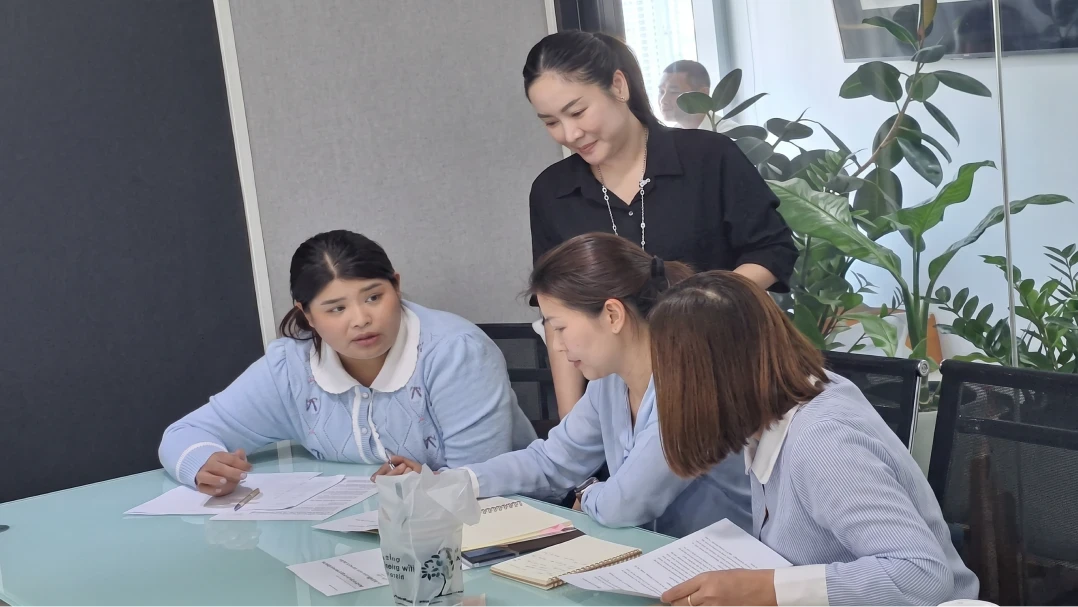
The company designs its employee development plans through a Training Needs Analysis (TNA) process, which covers organizational, departmental, and individual levels. This process is aligned with the company's strategic business objectives, market trends, and technological developments. It also incorporates insights from performance evaluations, which help identify each employee's strengths and areas for improvement.
Employee development initiatives are broadly categorized into two main groups: executives and general employees, with development programs tailored to suit their respective roles and responsibilities.
Executive Development (Department Manager Level and Above)
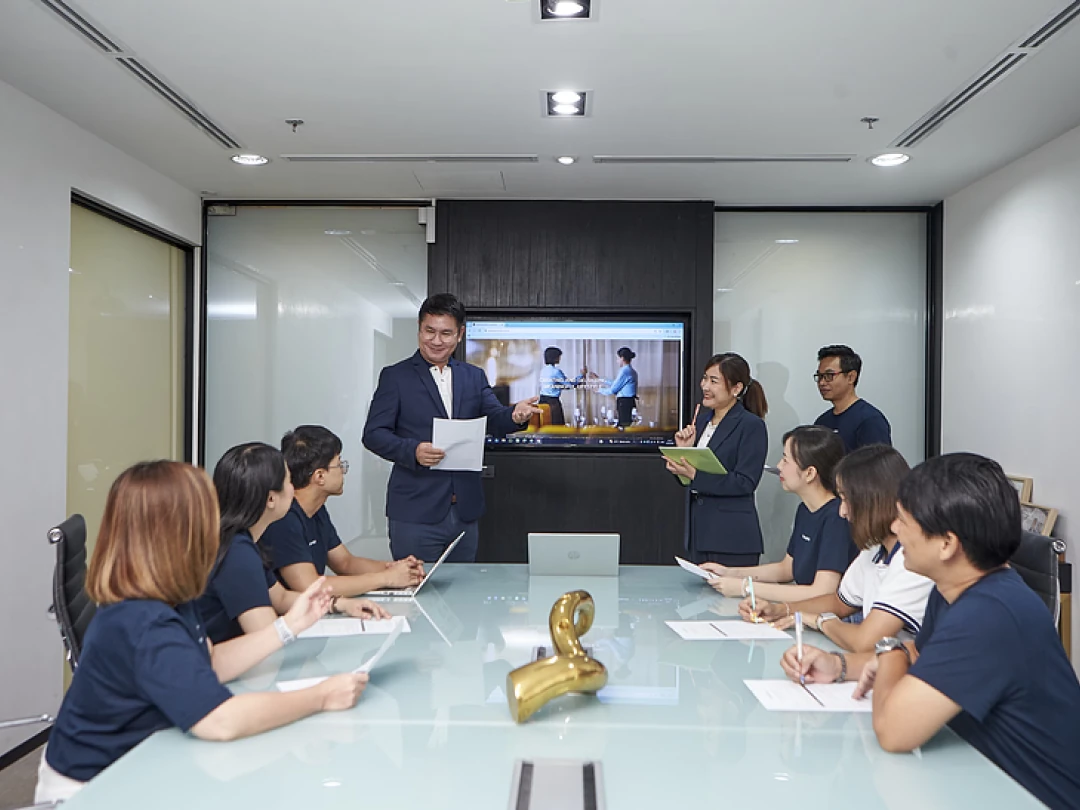
The company focuses on developing executives to become leaders capable of driving the organization forward. One of the key initiatives is the Business Plan Workshop, which enhances executives' capabilities in strategic thinking, business planning, and data-driven decision-making. The workshop also provides opportunities for executives from different business units to exchange perspectives, leading to the development of business plans that align with the company's strategic objectives and strengthen the organization's ability to move forward effectively. Key topics covered include:

Strategic Planning

Goal Setting

Cross-Functional Collaboration
Following the training, the company conducts post-training evaluations, where executives develop business plans for their respective departments and present them to senior management to receive feedback and further refine their plans.

Employee Development (Below Department Manager Level or Equivalent)
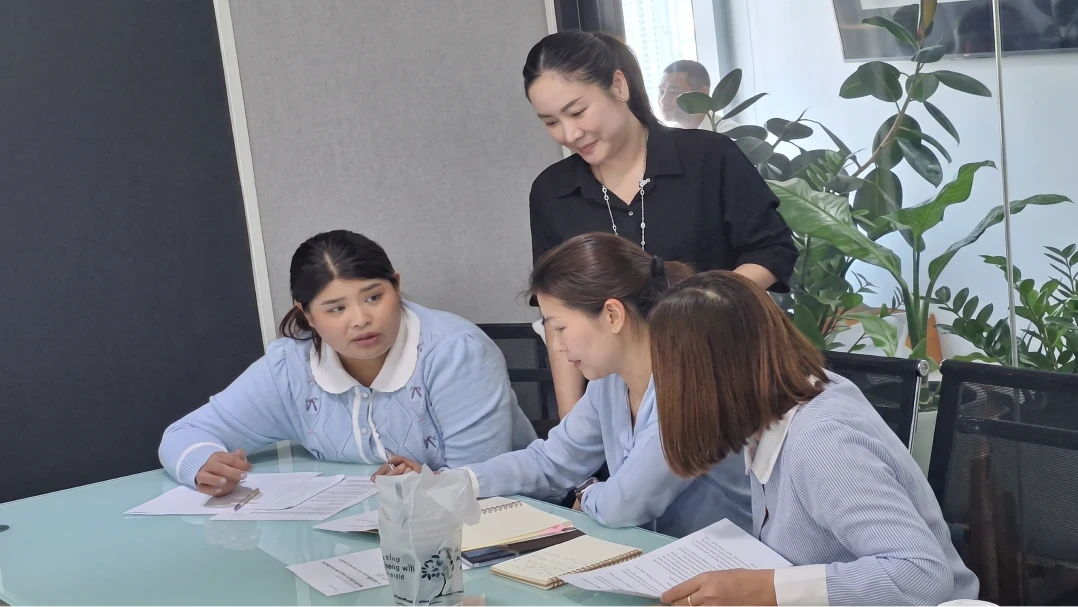
The company also promotes the development and management of employee potential to support future business expansion. Various training programs are provided, including practical workshops and skill-based training, enabling employees to strengthen their competencies and gain hands-on experience relevant to their roles and responsibilities.
Key Training Programs in 2025

Total Training Hours in 2025
| Details | Year 2024 | Year 2025 |
|---|---|---|
| Total Training Hours | 7,361 | 6,599 |
| Total Number of Participants | 1,835 | 2,028 |
| Average Training Hours per Participant | 4.0 | 3.25 |
| Average Training Hours per Employee | 11.0 | 9.0 |
Promoting a Learning Culture

Tanachira Group promotes a lifelong learning culture through various training approaches, including on-the-job training, classroom training, and experiential learning. These initiatives aim to enhance work efficiency, improve service quality, and strengthen employee engagement with the organization, ultimately supporting Tanachira Group's stable and sustainable long-term growth.
Employee Engagement

Tanachira Group recognizes employee engagement as a key factor influencing work performance, team collaboration, and organizational sustainability. The company is committed to creating a supportive work environment that fosters satisfaction, engagement, and participation among employees at all levels, with the goal of retaining and motivating employees to grow alongside the organization.
Tanachira Group conducts an annual employee satisfaction and engagement survey through questionnaires consisting of both open-ended and closed-ended questions, covering key topics such as:

Job Satisfaction

Welfare and Compensation

Relationships with Colleagues and Supervisors

Career Advancement Opportunities

Internal Communication

Perceptions of the Organization and Corporate Culture
Following the survey, the Human Resources department analyzes the results and prepares a summary report for management, working together to develop improvement plans for people management practices in alignment with the organization's context and employees' needs at each stage. In addition, the company communicates the survey results and improvement plans to employees through internal channels such as the intranet and internal mail, as well as external channels such as the company's website.
For 2025, the company set an employee engagement target of 70%, and the survey results indicated an engagement score of 75%, exceeding the target. This reflects a strong level of trust and active participation among employees. However, the survey also identified several areas for further improvement, including:

Health Benefits and Welfare

Channels for Employee Feedback

Internal Communication

Skill Development Programs

360-Degree Performance Evaluation

Career Path Development
Tanachira Group recognizes the importance of employee feedback and has initiated improvement plans accordingly. For example, employees suggested enhancing the workplace environment and office equipment. In response, the company conducted a needs assessment and redesigned the workspace with a focus on flexibility and collaboration, helping to improve work efficiency and increase overall employee satisfaction.
Employee Voluntary Turnover Rate
| Details | 2023 | 2024 | 2025 |
|---|---|---|---|
| Total Number of Voluntary Employee Resignations (persons) | 191 | 261 | 269 |
| Total Number of Voluntary Male Employee Resignations (persons) | 30 | 82 | 74 |
| Total Number of Voluntary Female Employee Resignations (persons) | 161 | 179 | 195 |
| Voluntary Employee Turnover Rate (%) | 29.98 | 35.70 | 36.89 |
Complaint Management Procedures
-
Investigation Process
- For internal complaints, the CEO shall assign the Internal Audit Department to investigate the facts.
- For external complaints or those involving stakeholders, the CEO shall appoint an Investigation Committee, whose members must not have any conflict of interest related to the case.
- For complaints involving the CEO or directors, the Chairman shall assign the Audit Committee and Internal Audit Department to conduct the investigation.
-
Timeframe
- The CEO or the Chairman (as applicable) shall forward the complaint to the investigator within seven (7) business days from the date of receipt.
- The investigator (as defined in Clauses 4.1, 4.2, or 4.4) shall complete the investigation and report the conclusion, along with any disciplinary recommendations, to the whistleblower within thirty (30) days from receipt of the complaint.
- If completion within the specified timeframe is not possible, the investigator may seek an extension of up to 30 days per request from the authorized body (Chairman, CEO, Audit Committee, or Board, as appropriate).
- Failure to complete or request an extension within the timeframe shall be deemed a violation of this Policy, and the investigator must provide a written explanation to the appointing authority.
-
Reporting
- The investigator shall communicate investigation results to the complainant, accused person, and other relevant parties as deemed appropriate.
- The Internal Audit Department or Investigation Committee shall report the investigation results and disciplinary decisions to the Chairman, CEO, Audit Committee, and/or Board of Directors, as applicable.
-
If it is proven that a whistleblower intentionally or maliciously made a false accusation, the Group shall take measures to protect the reputation of the accused as follows:
- If the whistleblower is an employee or executive, disciplinary action shall be taken in accordance with the Human Capital regulations.
- If the whistleblower is an external party and the Group suffers damages, the Group reserves the right to initiate legal proceedings.
Stakeholders Directly Impacted