




Pollution and Resources
Supporting the SDGs Goals
Commitment
- The company is committed to managing resources efficiently to maximize their value and minimize waste generated from business processes and activities.
- The company also aims to reduce impacts on natural resources and the environment from spa services through effective resource management.


Goals and Performance Highlights
Goals
- Ensure that 100% of spa service equipment and supplies are made from environmentally friendly materials.
- Use 100% reusable or biodegradable packaging for all products.
- Design at least one product in every collection using recycled materials for packaging.
Performance in 2025

Reduced the use of virgin plastic in bottle production by
30%
by incorporating recycled plastic (Recycled PET or rPET) into the bottle manufacturing process.

Scope 3 CO2 emissions reduced by
5.83 tCO2e

Achieved the target of
100%
reusable or biodegradable packaging across all products.

In 2025
335,425 products
accounting for 28% of the total products, used recycled materials for their packaging.
Challenges and Opportunities
The concept of Extended Producer Responsibility (EPR) is becoming one of the key mechanisms within the circular economy, widely adopted by many countries around the world to address waste and pollution arising from packaging and post-consumer products. The core principle of EPR is to place responsibility on producers and importers for the entire lifecycle of their products, from design and production to use and end-of-life management.
For the retail and lifestyle products sector, EPR is not only an environmental compliance requirement but also an opportunity to enhance business value. When effectively implemented, EPR can help reduce operational costs while creating long-term value through improved environmental performance and strengthened corporate responsibility.
Challenges of EPR for the Business Sector
Implementing EPR principles can present a number of challenges for organizations, including:
1. Supply Chain Adaptation Costs
- Redesigning products and packaging to be recyclable or resource-efficient may require changes to materials, suppliers, or manufacturing processes — potentially driving up costs in the short term.
2. Managing Take-Back and Recycling Systems
- Establishing product take-back systems, packaging return schemes, or partnerships with recycling operators demands robust infrastructure, coordination, and effective data tracking systems.
3. Consumer Understanding and Participation
- While today's consumers are increasingly environmentally conscious, encouraging consistent behaviors — such as waste sorting, returning packaging, or participating in recycling programs — still requires sustained communication and ongoing incentive-building efforts.
Business Opportunities from EPR Implementation
Viewed from another angle, EPR opens the door for businesses to build competitive advantage and meaningfully strengthen their sustainability credentials.
1. Product and Packaging Innovation
- Designing products to use fewer resources, incorporate recycled materials, or be reusable reduces environmental impact while directly appealing to a growing base of sustainability-minded consumers.
2. Building Brand Value
- Organizations that demonstrate responsible resource and waste management build lasting trust with customers, investors, and business partners alike.
3. Improving Resource Efficiency
- Systematic resource management — such as minimizing waste in production processes or adopting circular materials can drive down costs and improve operational efficiency over the long term.
Toward a Sustainable Business Future
For Tanachira Group, collaboration with partners, manufacturers, and customers will be the cornerstone of driving a sustainable resource management system and of building a future where business growth and environmental stewardship go hand in hand.
Management Approach and Value Creation

Resource Utilization and Internal Waste Management

Strengthening Partnerships for Internal Waste Management
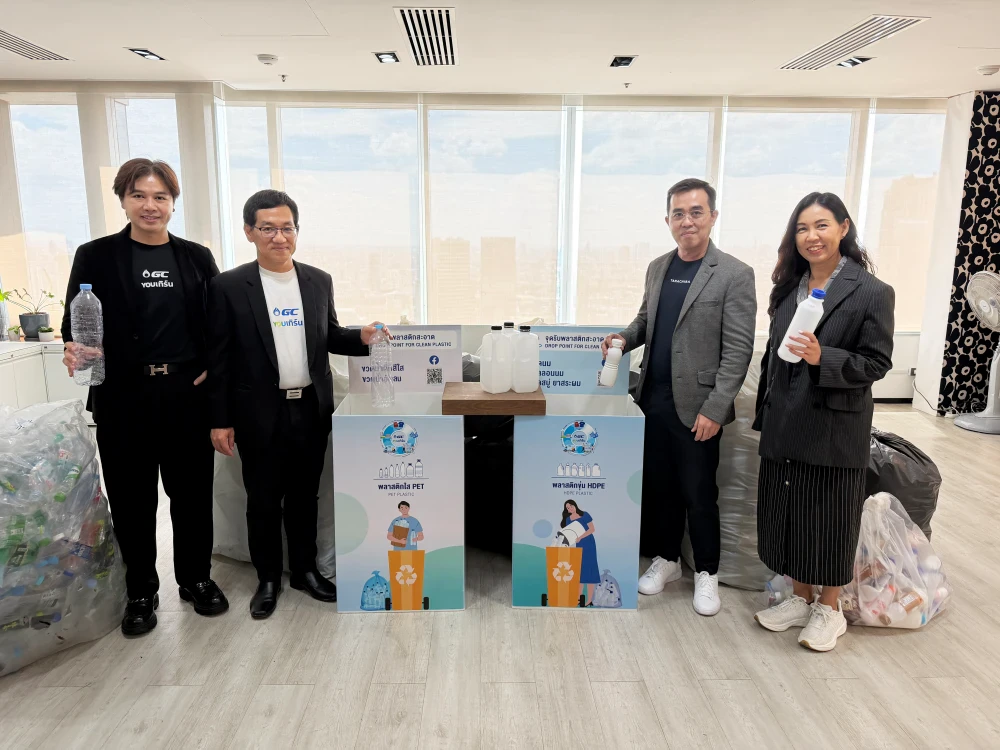
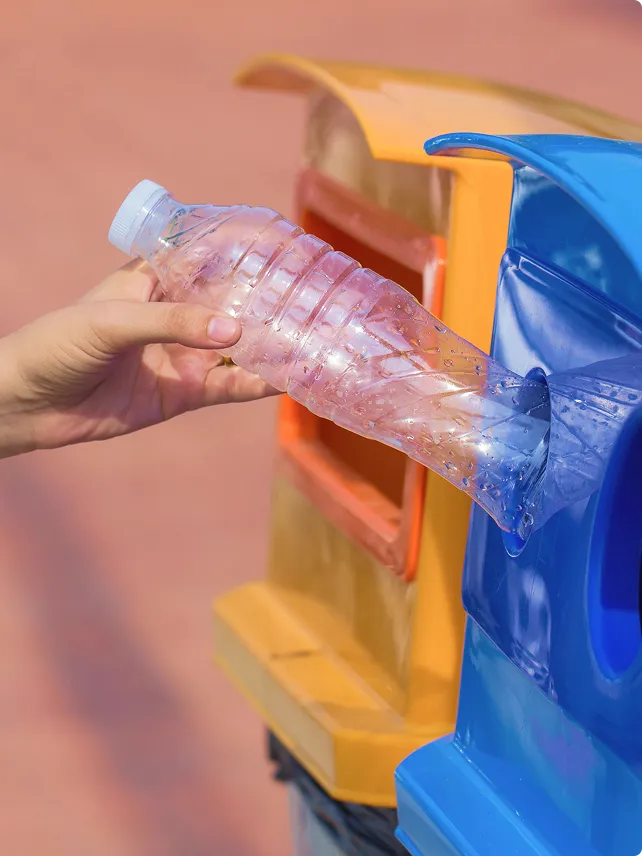
The Company works closely with its business partners to enhance internal waste management through the promotion of circular economy practices. As part of its commitment to sustainable resource management, the Company strives to minimize landfill waste and reduce the use of single-use plastics wherever feasible.

Reducing Single-Use Resources
The company started by encouraging employees to change everyday habits by reducing the use of single-use items such as plastic cups and disposable packaging. Employees are encouraged to bring their own containers to the office, including reusable water bottles, lunch boxes, and personal utensils. The company also promotes the use of reusable bags instead of plastic bags when purchasing goods.
Office Waste Management
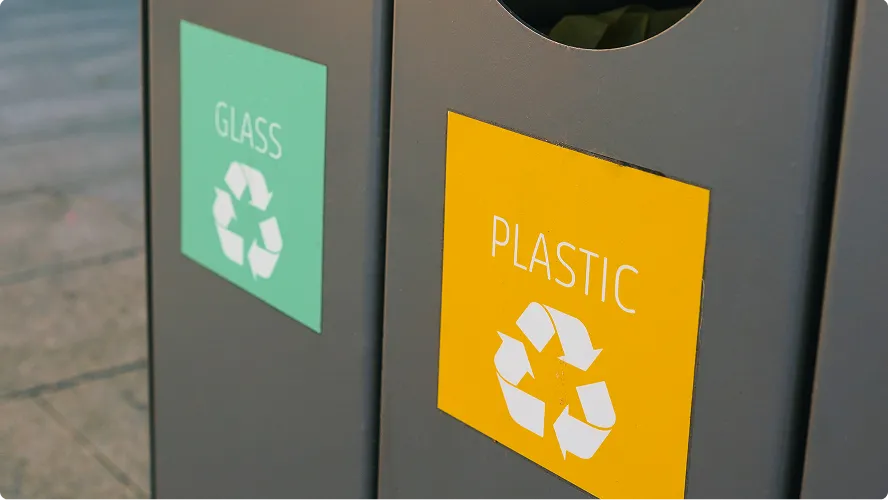
The company encourages employees to use reusable cups, lunch boxes, and utensils in the office to reduce waste from single-use plastics. To further improve waste management efficiency, the company provides training and awareness programs for employees on proper waste separation, supported by communication materials such as posters explaining waste sorting methods. Training on waste management is also supported through both internal and external programs.
Recyclable waste such as paper and packaging boxes is separated and sent to certified recycling companies through private sector initiatives organized by the company’s partners. In addition, designated collection points are set up in the office for paper and packaging waste to ensure they are properly recycled or disposed of.

Efficient Use of Resources
The company has established clear measures to promote efficient resource use, with a focus on reducing paper consumption across all work processes. Digital documents are used instead, including paperless data storage and meetings. In addition, all office printers are set to double-sided printing by default. To encourage responsible use of energy and water, notices are placed around the office to remind employees to help conserve resources.

Turn Off

Switch

Unplug

Replace

Resource Use and Waste Management in Spa Business

Challenges and Business Opportunities
Environmental management in the spa business represents both a significant challenge and an opportunity for the organization. Spa operations involve the use of natural resources, consumable materials, and various products; therefore, careful resource management is required to balance service quality, operational efficiency, and environmental responsibility.
One of the key challenges is reducing resource consumption and waste generation without compromising the delivery of an excellent customer experience. Spa services typically require the use of water, skincare products, and various operational equipment in appropriate quantities. Without effective management, this may lead to excessive resource use and increased waste generation, which can ultimately impact operational costs.
At the same time, prioritizing environmental considerations, including the efficient management of raw materials and equipment, creates multiple business opportunities for the organization. It helps enhance brand differentiation and value by demonstrating responsible business practices that align with the expectations of customers who are increasingly concerned about health and environmental sustainability.

Waste Management from Treatment Services
The Company places strong emphasis on the proper management of waste generated from spa treatment services, particularly waste derived from scrub particles, massage oils, and skincare products. The implementation approach includes proper waste segregation, the selection of products with natural ingredients and biodegradable properties, and the control of product usage to appropriate levels in order to minimize waste generation that may have adverse environmental impacts.

Reduction of Plastic and Environmentally Harmful Materials
The Company has established a policy to reduce the use of single-use plastics in spa operations. This includes eliminating plastic straws and plastic cutlery used for food and beverages provided to customers, and replacing them with natural materials such as wood or other biodegradable alternatives. In addition, the Company continuously reviews packaging and operational materials used in spa facilities to ensure alignment with its environmental policy and to effectively reduce waste generated from business activities.

Employee Engagement in Environmental Stewardship
Sustainable environmental management requires the participation of employees at all levels. The Company therefore promotes environmental awareness and responsible behavior through ongoing communication, training programs, and internal engagement initiatives. Employees are encouraged to apply environmental management principles in their daily operations, including communicating appropriate post-treatment guidelines to customers. For example, customers are advised to avoid showering for at least 4–6 hours after treatment to allow massage oils to be fully absorbed into the skin, thereby enhancing treatment effectiveness while indirectly supporting resource efficiency.

Resource Use and Waste Management in Restaurant Business
Challenges and Business Opportunities
Restaurants are highly resource-intensive businesses, requiring significant use of energy, water, and raw materials for food preparation and service. Efficient planning and management of these resources are therefore essential, as they not only help reduce resource consumption and waste generation but also contribute to lower operating costs. In addition, the ability to creatively develop new menu items using available ingredients efficiently can attract customers and generate additional revenue opportunities.
Efficient Resource Management
The Gordon Ramsay restaurant operations place strong emphasis on the efficient use of resources, including energy, water, and raw materials, in order to maximize operational efficiency while maintaining international food quality standards. Resource efficiency initiatives include the use of recycled materials and energy-efficient lighting in restaurant design, monitoring and controlling kitchen energy consumption, and maintaining equipment regularly to ensure optimal performance. Water usage is carefully managed through structured processes for food preparation and cleaning to minimize unnecessary consumption. Energy- and water-efficient equipment is also selected and installed across restaurant operations. In addition, glass bottles are used for drinking water served to dine-in customers, ensuring 100% recyclability, while alternative approaches are being explored to further reduce reliance on glass packaging.

Use of Recycled Materials and Energy-Efficient Lighting in Restaurant Design

Monitoring and Controlling Kitchen Energy Consumption

Maintaining Equipment Regularly

Water Usage Is Carefully Managed Through Structured Processes for Food Preparation and Cleaning

Energy- and Water-Efficient Equipment Is Also Selected and Installed

Inventory Management for Food Ingredients

Restaurants implement structured procurement planning to ensure efficient inventory management and avoid redundant purchasing of ingredients. Daily stock monitoring is conducted by designated staff, who communicate available inventory levels to service teams. This enables accurate menu recommendations to customers while also supporting sales optimization.

Food Waste Reduction
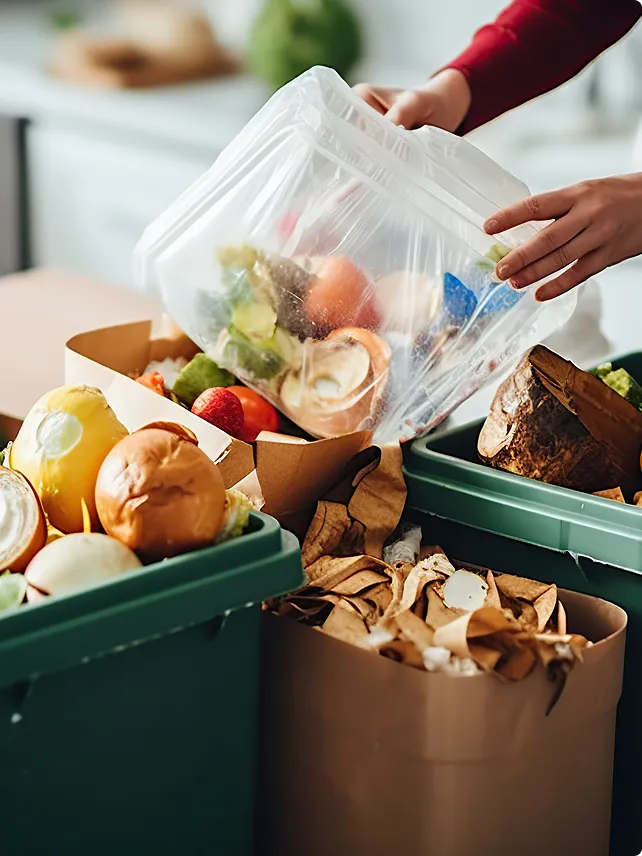
Gordon Ramsay restaurant operations focus on maximizing ingredient utilization through menu planning and portion control.
Appropriate portion sizes are defined for each dish to ensure efficiency and minimize food waste. These practices have contributed to a reduction in meat trimming waste by up to 48%, while maintaining food cost control at no more than 30%. In addition, waste materials generated from meat preparation have been repurposed to generate value of approximately THB 5.86 million, representing 5.32% of total revenue. Employee training programs are also conducted to enhance awareness and capability in food waste reduction. Furthermore, the Company continues to explore new menu development and ingredient utilization strategies to maximize resource efficiency.

Waste Segregation
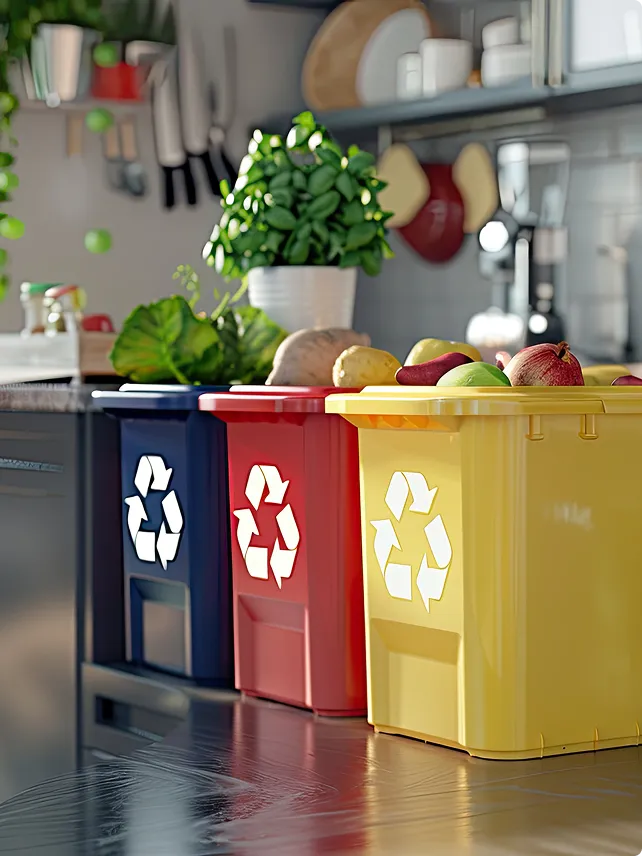
Restaurants are equipped with grease traps installed across wastewater drainage systems to support effective waste management. Waste segregation is implemented prior to disposal at designated collection points provided by shopping mall operators, ensuring proper downstream waste treatment and recycling.
Waste is categorized into three main types:

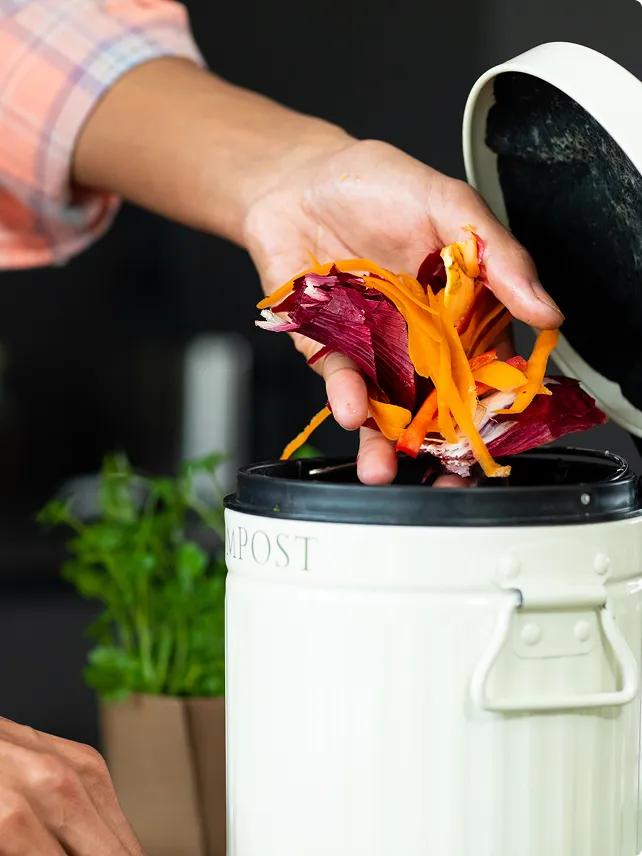
Organic waste, such as food preparation residues

Recyclable waste, such as glass bottles, cans, and selected packaging materials

General waste that cannot be recycled
After segregation, waste is transferred to designated storage areas managed by shopping malls, where recycling and proper waste treatment systems are in place. The installation of grease traps across all drainage points further supports efficient waste management and helps reduce environmental impacts from restaurant operations.
Stakeholders Directly Impacted