




Climate Change
Supporting the SDGs Goals

Commitment
- The Company is committed to managing energy use efficiently and maximizing its benefits by promoting the use of high-efficiency equipment and tools for electricity conservation. At the same time, employees are encouraged to use energy responsibly and avoid unnecessary consumption. Tanachira Group also places importance on reducing environmental impacts and addressing climate change by aiming to reduce energy consumption and greenhouse gas emissions, supporting sustainable and environmentally friendly business operations.


Goals and Performance Highlights
Goals
- Reduce electricity expenses by at least 2.5% per year compared with the 2024 baseline year, measured against the electricity costs of each branch operating during the same period of the previous year.
Performance in 2025

Climate Change Risk Assessment: Conducted a comprehensive review of climate-related risks.

Renewable Energy Procurement: Sourced renewable electricity totaling
767 Megawatts

Energy-Efficient & Low-Emission Equipment Upgrades: Successfully reduced greenhouse gas emissions by over 1,000 kgCO2e/year and generated energy cost savings of more than
8,000 Baht/year
Challenges and Opportunities
The Company places strong importance on conducting its business in an environmentally responsible manner by reducing negative impacts from its operations in all aspects. The Company also recognizes that the impacts of climate change have become increasingly severe. Energy consumption from business operations is one of the factors contributing to these impacts. In addition, the Company acknowledges the continuously rising cost of energy, which may increase operational cost risks for the business.
Management Approach and Value Creation

Climate Change Governance

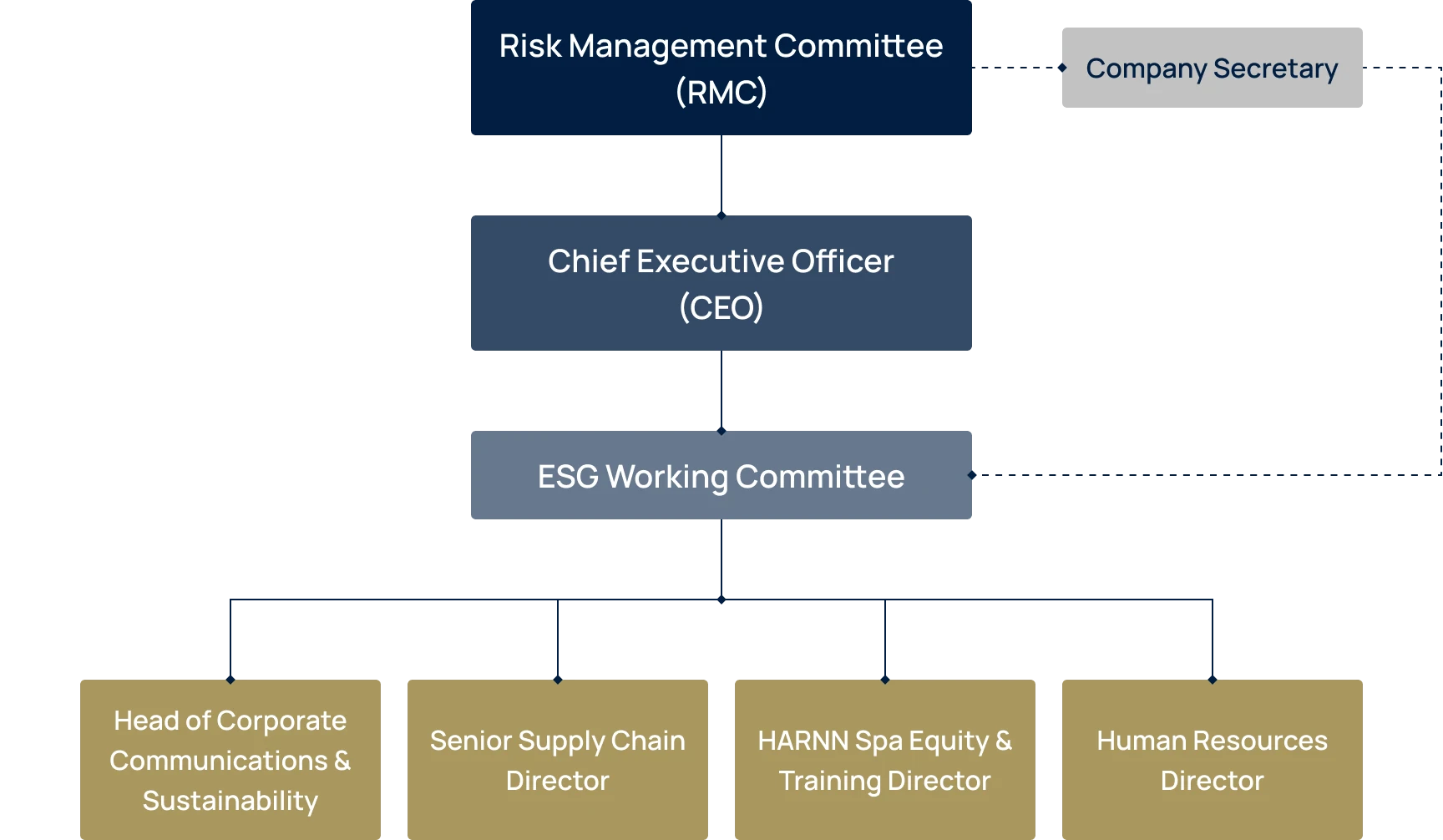
The company integrates climate change governance beginning at the Risk Management Committee level. One of the core roles and responsibilities of the Committee is to oversee, monitor, and assess various enterprise risks, which explicitly encompass ESG risks and climate-related risks.
The Company has established climate change governance oversight at the Board level through the Risk Management Committee. Mr. Kittipol Pramoj Na Ayudhya serves as Chairman of the Risk Management Committee. One of the key duties and responsibilities of the Risk Management Committee is to oversee, monitor, and assess various risks, including ESG risks and climate change-related risks, as well as to consider preventive measures and business opportunities associated with climate change.
Management-Level Oversight and Implementation: The Company has also established a Climate Change Working Group as part of its sustainability and environmental management efforts. The Working Group is chaired by Mr. Tanapong Chirapanidchakul, Chief Executive Officer, with Mr. Kachornsak Khemsansopon, Senior Supply Chain Direcotr, serving as Vice Chairman, and Ms. Napapha Wichaidit, Corporate Secretary, serving as Secretary of the Working Group. The Working Group also comprises executives from various internal functions.
The Working Group is responsible for translating the directions and policies established by the Board of Directors into strategies and driving their implementation throughout the organization. It also monitors and evaluates performance and regularly reports the progress and results of its activities to the Risk Management Committee. This ensures that the Company’s climate-related operations and management practices are effectively implemented and aligned with the established objectives and targets.
The Working Group is responsible for translating the directions and policies established by the Board of Directors into strategies and driving their implementation across the organization. It also monitors and evaluates the Company’s performance and regularly reports the progress and results of its activities to the Risk Management Committee, ensuring that the Company’s climate-related operations and management practices achieve the objectives and targets that have been established.
Climate-related Risks and Opportunities Management
1. Integrated Risk Management Framework
The Company places significant importance on climate-related risks and adopts an Integrated Hybrid Approach, integrating climate risk management into the Company’s enterprise risk management processes while applying dedicated climate-related assessments. This approach enables the Company to address both risks arising from normal business operations and in-depth, long-term climate-related impacts.
- Enterprise Risk Management (ERM) Integration: Climate-related risks are incorporated as part of the Company’s Enterprise Risks. Climate change factors are considered as part of the Company’s annual enterprise risk assessment to ensure that risk management strategies and practices remain aligned with the Company’s core business objectives.
- Dedicated Climate Risk & Opportunity Assessment: Given the complexity and long-term time horizons associated with climate-related risks, the Company conducts dedicated assessments in accordance with the Task Force on Climate-related Financial Disclosures (TCFD) framework. In collaboration with relevant experts, the Company conducts Climate Scenario Analysis to identify, assess, and prioritize Physical Risks, Transition Risks, and Climate-related Opportunities.
2. Time Horizons & Climate Risk and Opportunity Identification
The Company categorizes the assessment of climate-related impacts into three time horizons to align with its strategic planning cycles and the characteristics of climate-related risks and opportunities:
- Short-term (1-3 years): Focuses on transition risks arising from regulatory changes, energy costs, and acute physical risks associated with sudden natural hazard events.
- Medium-term (3-5 years): Focuses on technological changes, shifts in consumer behavior, and increasing frequency of physical risks.
- Long-term (5-10 years and beyond): Focuses on chronic climate-related changes, the transition toward a fully low-carbon economy, and the Company’s Net Zero 2050 target.

Climate Change Risk Assessment

The Company has analyzed climate change-related risks across two key dimensions: Physical Risk and Transition Risk. The assessment considers both acute risks that have already occurred and potential risks that may arise in the future. This analysis helps the Company develop appropriate response and adaptation strategies to ensure that its operations can continue to grow sustainably.
Physical Risk
Climate change has led to more severe and frequent natural disasters, which may affect infrastructure, business locations, and the Company's supply chain. Key considerations include:
1. Acute Physical Risk
Impact on Office Buildings and Retail Stores
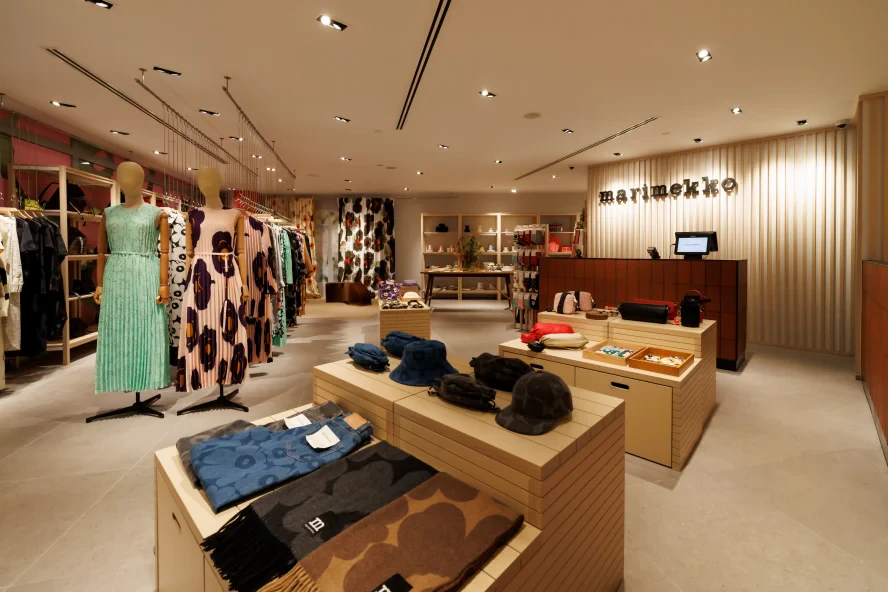
- Heavy rainfall and urban flooding may cause travel disruptions for employees and customers, and may also damage inventory in retail stores and warehouses.
- Severe storms or thunderstorms may lead to power outages, which could disrupt IT systems, point-of-sale (POS) systems, and customer services at branch locations.
Timeframe: Short term (1-3 years)
Strategic Impact: Immediate loss of revenue (loss of revenue per day), together with potential increases in repair costs and insurance premiums.

Impact on Supply Chain and Product Transportation
- Natural disasters such as flash floods or storms in supplier areas may cause delays in product transportation and affect product import timelines.
- Unpredictable weather conditions may increase logistics costs, such as higher transportation expenses due to the need to reroute shipments or the requirement for vehicles that can withstand severe weather conditions.
Timeframe: Short to medium term (3-5 years)
Strategic Impact: Supply shortages during the peak sales season may lead to stockouts and lost sales. To mitigate these disruptions, the Company may need to use expedited air freight, resulting in higher logistics costs and a reduction in gross margin.
2. Chronic Physical Risk

Impact on Product Usage
- Seasonal products, such as body oils, which are typically more popular during colder weather, may experience lower demand as the climate becomes warmer. As a result, customers may not be able to finish using the products within the expected period, leading to a perception of lower value and potentially discouraging repeat purchases, which may affect the Company’s sales.
- Demand may also decrease due to changes in consumer behavior, such as reduced travel or spending more time at home, which can result in lower sales of products typically associated with colder weather.
Timeframe: Medium to long term (5-10 years)
Strategic Impact: Long-term shifts in consumer demand may permanently change the product demand mix, increasing the risk of excess inventory, deadstock, and inventory write-offs. The Company may also need to reformulate existing products and optimize its product portfolio to meet evolving consumer preferences and adapt to changing climate conditions, potentially resulting in higher product development and operational costs.
Response Measures

Develop a Business Continuity Plan (BCP)

Diversify Supply Chain Risks

Use Weather Monitoring Technology

Develop Marketing Strategies

Adjust Packaging Sizes to Smaller Formats
Transitional Risk
Changes in regulations, market conditions, and consumer behavior that place greater emphasis on environmental responsibility may directly affect the Company's business operations. Key factors to consider include:
1. Market & Consumer Behavior Risk

Changes in Consumer Behavior
- Consumers are placing greater importance on environmentally friendly products. As a result, the selection of brands for distribution must consider factors such as raw materials, sourcing, and sustainable production processes.
- There is also a growing preference for environmentally friendly and recyclable packaging. Therefore, the Company needs to select products with sustainable packaging to meet market demand.
Timeframe: Medium to Long-Term (3-10 Years)
Strategic Impact: If the brands represented by the company fail to provide clear information regarding product traceability and sustainable sourcing, the business faces potential risks of losing market share to competitors, as well as reputational damage arising from negative greenwashing perceptions.
2. Policy and Legal Risk

Stricter Environmental Regulations
- Many countries have introduced carbon reduction measures and carbon taxes, which may increase the cost of imported goods if suppliers do not adopt environmentally friendly production processes.
- Setting new standards for eco-friendly materials may require the company to adjust its strategy in selecting new product brands, as well as securing distribution rights for brands that prioritize sustainable development.
Timeframe: Short to Medium-Term (1-5 Years)
Strategic Impact: Operating costs for retail branch stores and offices may rise due to increases in power tariffs (Ft rates/electricity fees), alongside pressure to procure renewable energy to meet the carbon reduction targets set by the brands represented by the company.
3. Technology Risk

Technological and Innovation Changes
- Sustainability-related technologies, such as plastic alternatives or low-carbon logistics systems, may affect business competitiveness if the Company is unable to adapt in time.
- The increasing use of digital systems in retail, such as online sales platforms that monitor and manage carbon emissions from product transportation.
Timeframe: Short to Medium-Term (1-5 Years)
Strategic Impact: Capital expenditure (CAPEX) may increase during the initial installation phase of energy-saving equipment; however, in the long term, it will help reduce operational expenditure (OPEX).
Response Measures

Consider Selecting Brands That Meet Sustainability Standards

Improve Logistics Processes to Be More Environmentally Friendly

Assess the Potential Impact of Environmental Regulations on the Business.

Promote Knowledge and Understanding Among Employees

Develop Environmentally Friendly Packaging

Develop Pricing Strategies for Products with Increased Costs

Management Measures for Greenhouse Gas Reduction in Corporate Operations
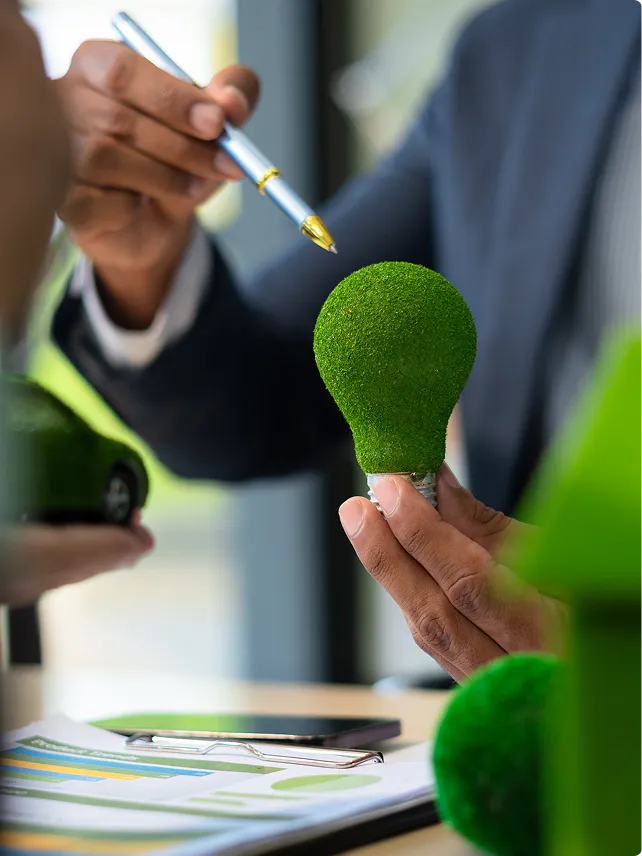
TANACHIRA Group places a strong emphasis on sustainable business practices, recognizing the impacts of greenhouse gas (GHG) emissions on the environment and climate change.
Consequently, the Company has initiated various projects to support the reduction of GHG emissions across its activities. These initiatives aim to mitigate operational impacts and strike a balance between business growth and environmental stewardship. Key actions include installing energy-efficient lighting systems, campaigning for employee engagement in energy conservation, upgrading office equipment to energy-saving models, and utilizing renewable energy. Currently, the Company is in the process of planning data collection for its Scope 3 greenhouse gas emissions, ensuring the most comprehensive coverage across all three scopes of emissions data.
Membership in the Thailand Carbon Neutral Network
In line with its commitment to conducting business in an environmentally responsible manner and supporting the transition toward a low-carbon economy, the Company has joined the Thailand Carbon Neutral Network (TCNN) as a “Climate Action Initiator”. TCNN is a collaborative network comprising government agencies, the private sector, and civil society, established to support Thailand’s goals of Carbon Neutrality and Net Zero Emissions in alignment with the objectives of the Paris Agreement.
As a member of the network, the Company undertakes initiatives to support TCNN’s objectives and reduce greenhouse gas emissions arising from its business activities through three key pillars:
- Energy Efficiency & Renewable Energy: Improving energy efficiency and installing Solar Rooftop systems to increase the proportion of renewable energy used by the Company.
- Sustainable Packaging: Transitioning toward the use of environmentally friendly packaging materials.
- Climate Capacity Building: Continuously building employees’ knowledge and understanding of greenhouse gas management and promoting behavioral changes to support effective greenhouse gas emission management.



Electricity Energy Management

Due to the nature of the Company's business, which focuses on services rather than manufacturing, most of the energy consumption comes from offices and retail stores. Therefore, the Company has continuously implemented measures to reduce energy consumption in daily operations across all stores and offices within the group, as follows:

Replacing Lighting with LED Bulbs
The Company has replaced existing 36 W fluorescent bulbs with 14-18 W LED bulbs, which consume less electricity and have a longer lifespan. The replacement process began gradually across different departments in late 2024. This change is expected to reduce electricity consumption by more than 40% compared with the previous lighting system.

Switching from Desktop Computers to Laptops
Desktop computers typically consume around 200-250 W, while laptops use approximately 60-70 W, making them significantly more energy-efficient. The Company plans to continue replacing desktop computers with laptops throughout 2025.

Promoting Energy and Water Saving Awareness Among Employees
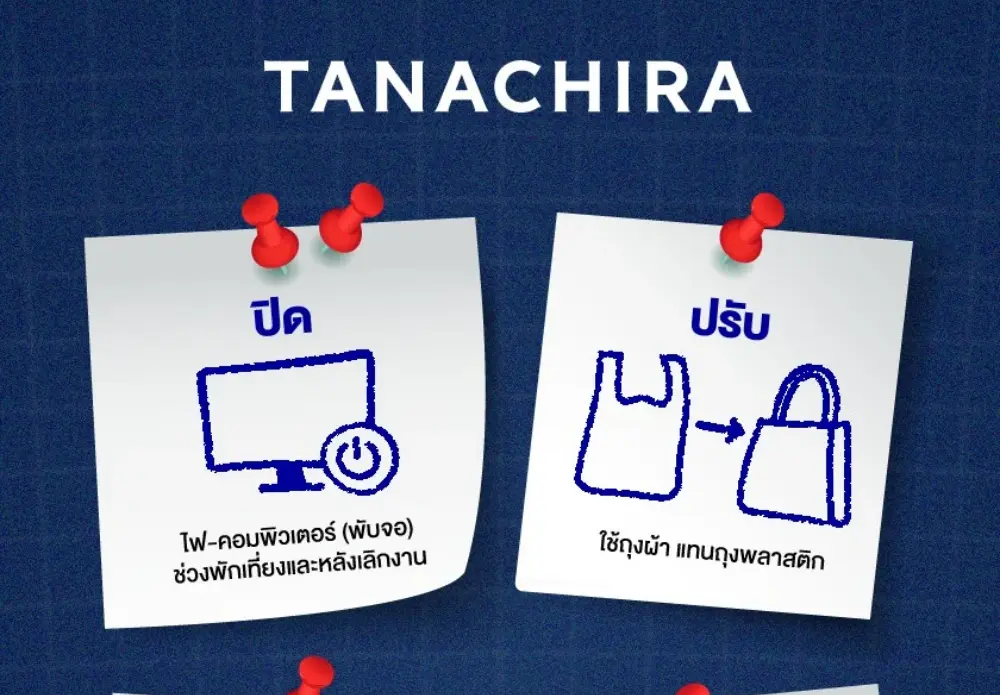
The Company has communicated and promoted energy and water saving initiatives within offices and operational areas to encourage employees to use resources more efficiently and responsibly. Awareness campaigns are shared through emails, notice boards, and stickers placed at usage points, reminding employees to turn off lights after use, unplug devices, and switch off electrical equipment when not in use.
As the Company's offices and retail outlets are located in leased office buildings and shopping malls, actual electricity consumption data (in kWh) is not directly available. Therefore, the Company estimates its electricity consumption by calculating the average electricity cost per unit based on actual electricity charges incurred across all retail operations and related office facilities during 2024–2025. This estimation enables the Company to understand its overall electricity consumption and serves as a baseline for setting electricity reduction targets, as well as for implementing effective energy management initiatives. The estimated electricity consumption is presented in the table below.
Company Electricity Consumption (2024–2025)
| Area | Electricity Consumption 2024 (Unit) | Electricity Consumption 2025 (Unit) |
|---|---|---|
| All Retail Stores | 1,477,513.79 | 1,624,644.72 |
| Office Buildings | 86,943.12 | 90,019.44 |
| Warehouse Facilities | 93,544.32 | 82,735.07 |
| Total of Electricity Consumption | 1,658,001.23 | 1,797,399.23 |
Remark
1. The estimated electricity consumption data cover 65 retail stores in 2024 and 62 retail stores in 2025.
2. The estimated electricity consumption also includes four office buildings and four warehouse facilities.
Scope 2 Greenhouse Gas (GHG) Emissions (tCO2e)
| Area | Scope 2 Greenhouse Gas (GHG) Emissions (tCO2e) 2024 | Scope 2 Greenhouse Gas (GHG) Emissions (tCO2e) 2025 |
|---|---|---|
| All Retail Stores | 701,819.05 tCO2e | 771,706.24 tCO2e |
| Office Buildings | 41,297.98 tCO2e | 42,759.23 tCO2e |
| Warehouse Facilities | 44,433.55 tCO2e | 39,299.16 tCO2e |
| Total of Scope 2 Greenhouse Gas (GHG) Emissions (tCO2e) | 884,207.12 tCO2e | 935,823.03 tCO2e |
Remark
The emission factor used for calculating Scope 2 greenhouse gas (GHG) emissions is 0.4750 kgCO2e/kWh, based on the latest grid emission factor approved by the Board of the Thailand Greenhouse Gas Management Organization (Public Organization) (TGO). (Source: Carbon Footprint for Organization)
Scope 2 Emissions Intensity (per Square Meter)
| Total Operational Area (Retail Stores, Office Buildings, and Warehouse Facilities) | Scope 2 Greenhouse Gas Emissions Intensity per Square Meter | |
|---|---|---|
| 2024 | 15,070.58 Sq.m. | 58.67 kgCO2e/Sq.m. |
| 2025 | 15,765.74 Sq.m. | 59.36 kgCO2e/Sq.m. |
In 2025, the Company expanded its total operational area, including retail stores, office buildings, and warehouse facilities, by 4.61%, increasing from 15,070.58 square meters in 2024 to 15,765.74 square meters in 2025. Despite this expansion, the Company successfully maintained its Scope 2 greenhouse gas (GHG) emissions intensity with only a marginal increase of 1.17%, from 58.67 kgCO2e/sq.m. in 2024 to 59.36 kgCO2e/sq.m. in 2025. This performance demonstrates the Company's commitment to conducting business in an environmentally responsible manner while achieving business growth alongside improved eco-efficiency in energy use. The relatively small increase in emissions intensity, which was significantly lower than the rate of operational area expansion, reflects the effectiveness of the Company's energy efficiency initiatives. These include designing and renovating retail stores in accordance with energy-efficient standards and completing the transition to 100% LED lighting systems across its operations.
Stakeholders Directly Impacted